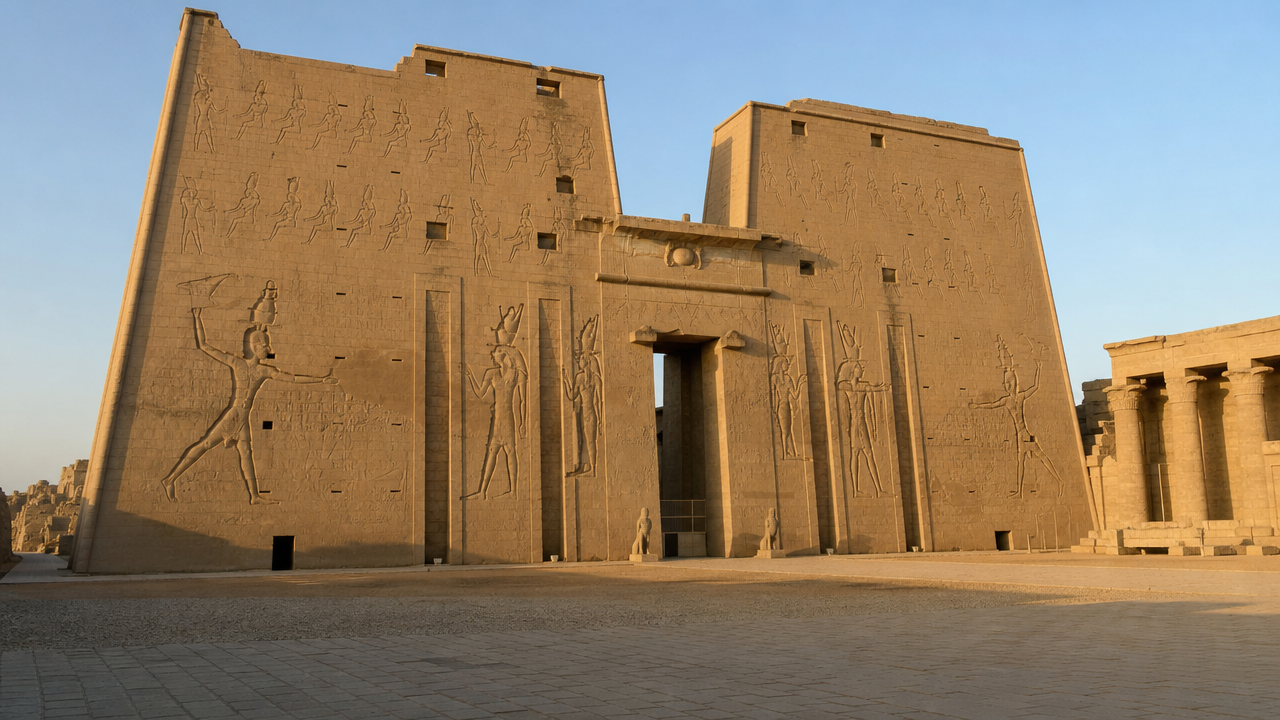
Temple of Horus Pylon
This massive gateway stands 36 meters high and remains one of the best-preserved pylons in Egypt, featuring reliefs of Ptolemy XII smiting enemies.
View from the central path for the best perspective of carvings.

The 220-kilometre desert road between Luxor and Aswan runs past two of the best-preserved temples in Egypt, and a private car is the only way to see both without a cruise itinerary dictating the clock. This luxor to aswan taxi guide explains what the road day actually involves at Edfu and Kom Ombo. It covers the conservation fee, the opening pattern, and the arrival window that keeps you ahead of the ships.
Quick answer
A luxor to aswan taxi covers roughly 220 kilometres and typically becomes a full-day transfer once Edfu and Kom Ombo are added. Entry to Edfu Temple costs 550 EGP per person as a conservation fee. Gates open at 07:00 most days, earlier on Wednesday and Sunday, closing at 17:00. The 07:00–09:00 arrival window avoids cruise crowds and afternoon heat.
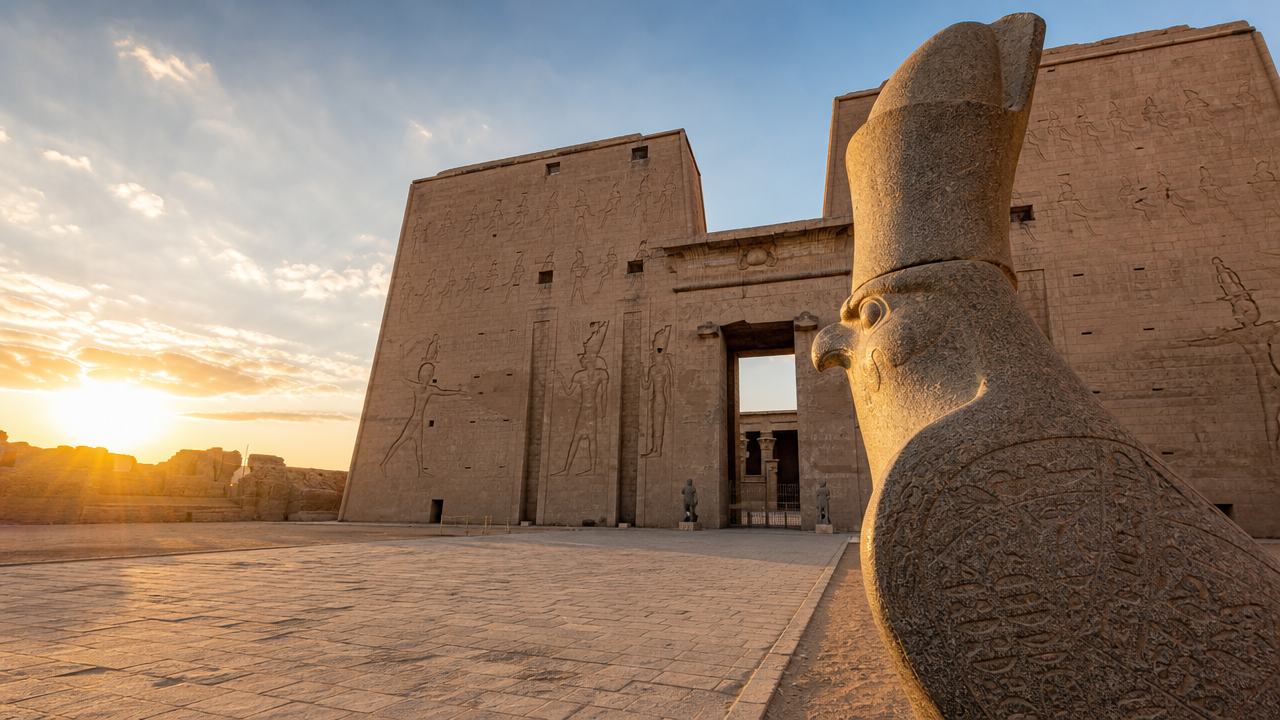
Edfu Temple stood buried to its capitals in sand and silt until the 1860s, when Auguste Mariette's clearance work exposed a Ptolemaic sanctuary so intact that its roof, its inner shrine and its granite falcon of Horus had survived nearly unbroken. That accident of burial is why the drive south matters. Most visitors reach these monuments by Nile cruise, arriving in blocks of two hundred at fixed hours. A road transfer inverts that arithmetic entirely. The Luxor to Aswan taxi route follows the agricultural corridor along the east bank, passing Esna and its lock before reaching Adfo in the Aswan Governorate. Kom Ombo sits a further forty-five minutes south, on a bluff above the river. The two temples are unalike in ways that reward seeing them the same day. Edfu is a complete Ptolemaic plan — pylon, forecourt, hypostyle hall, sanctuary — with the Festival of the Beautiful Reunion carved across its walls in continuous registers. Kom Ombo is a double temple, split down its axis, one half dedicated to Sobek the crocodile deity and the other to Haroeris. Its Crocodile Museum holds mummified specimens recovered from nearby cemeteries, and a wall relief there catalogues surgical instruments in a sequence still argued over by Egyptologists. What a private car buys is control of the hour. Cruise ships dock at Edfu in a predictable band mid-morning, and the calèche drivers who ferry passengers from the quay to the pylon set the rhythm of the whole forecourt. Arriving before that wave means the hypostyle hall is legible rather than crowded, and the light still rakes low across the reliefs. Heat is the second argument: summer afternoons in Upper Egypt regularly clear 40°C, and neither site offers much shade beyond the covered sanctuary at Edfu. Planning a Luxor Aswan road trip around temples therefore starts with departure time, not arrival time. Leaving Luxor in darkness is standard practice among drivers who run this route, and it is the single decision that shapes everything downstream. Travellers weighing options between train, cruise and a luxor to aswan taxi should treat the road version as the flexible one: it stops where the traveller wants, waits as long as needed, and continues to Aswan by afternoon. The dedicated sections below set out the full weekly schedule, the fee structure, the driving directions and a suggested order for working through both sites.
“Planning the road day around temples starts with departure time, not arrival time.”
The route between Luxor and Aswan follows the Nile along Highway 75, offering the most direct access to the temples of Edfu and Kom Ombo. Hiring a private taxi is the standard approach for travelers who wish to incorporate these historic sites into their transit between the two cities.
Luxor to Edfu via Highway 75
Edfu to Kom Ombo via Highway 75
Kom Ombo to Aswan via Highway 75
Coordinate with your driver in advance to ensure they are familiar with the designated drop-off points at both temple complexes, as parking areas are situated a short distance from the main entrances.
The recommended arrival window for a taxi tour between Luxor and Aswan is 07:00–09:00. This timeframe allows visitors to experience the Temples of Edfu and Kom Ombo before peak cruise ship crowds arrive and before the afternoon heat intensifies.
Mild temperatures, 20°C–28°C
These months offer the most comfortable climate for exploring open-air temple complexes.
Hot conditions, 35°C–40°C
High temperatures require careful planning and hydration during temple visits.
—
Arriving during this window ensures minimal congestion and avoids the mid-day heat spike.
Verdict: The best time for a taxi tour is between October and April, arriving promptly between 07:00 and 09:00 to navigate the sites comfortably.
The temples of Edfu and Kom Ombo maintain consistent operating hours throughout the week to accommodate visitors traveling between Luxor and Aswan.
Access to the temples of Edfu and Kom Ombo requires a mandatory conservation fee. This payment is collected at the entrance of each archaeological site.
Verdict: A standard adult visitor pays 550 EGP per person at each site, with total costs depending on the number of stops included in your route.
This plan suits travellers making the one-way road journey between Luxor and Aswan who want both temples in a single day without rushing either. Allow roughly eight hours door to door, including two temple stops of about 90 minutes each.
Leave early enough to reach Edfu inside the 07:00–09:00 arrival window, which avoids peak cruise ship crowds and afternoon heat. Expect around two hours on the road.
Walk the causeway to the pylon, then work inward through the Court of Offerings, the Outer and Inner Hypostyle Halls, and the sanctuary with its granite naos. Budget 20 minutes at the ticket gate and security in high season.
Follow the ambulatory between temple wall and enclosure to see the Nilometer and the Mammisi opposite the main entrance. This loop takes about 30 minutes and stays shaded on the eastern side.
Regroup at the car park south of the site. Refill water here, as the Kom Ombo approach has fewer reliable stops.
The temple sits directly above the Nile bank, a short walk from the parking area. Start at the Crocodile Museum before the midday coach arrivals build up.
Trace the twin axes dedicated to Sobek and Haroeris, then find the medical instrument relief on the rear outer wall and the calendar inscriptions. Around one hour is enough.
The final leg runs roughly 90 minutes south along the east bank. Arriving mid-afternoon leaves time to check in before sunset on the Nile.
The route between Luxor and Aswan offers two significant architectural sites: the Temple of Horus at Edfu and the double temple of Kom Ombo. These structures provide distinct insights into Ptolemaic design and religious life along the Nile.
This massive gateway stands 36 meters high and remains one of the best-preserved pylons in Egypt, featuring reliefs of Ptolemy XII smiting enemies.
View from the central path for the best perspective of carvings.
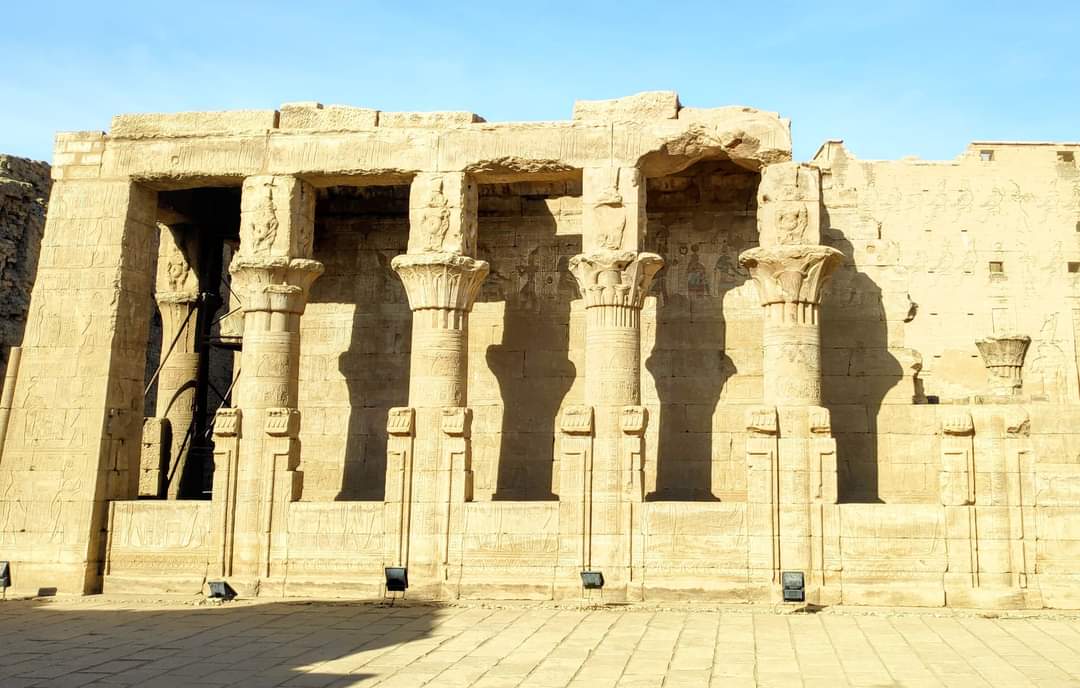
Located in front of the main temple, this structure was dedicated to the divine birth of Horus.
Walk to the side walls to see details of the deity.
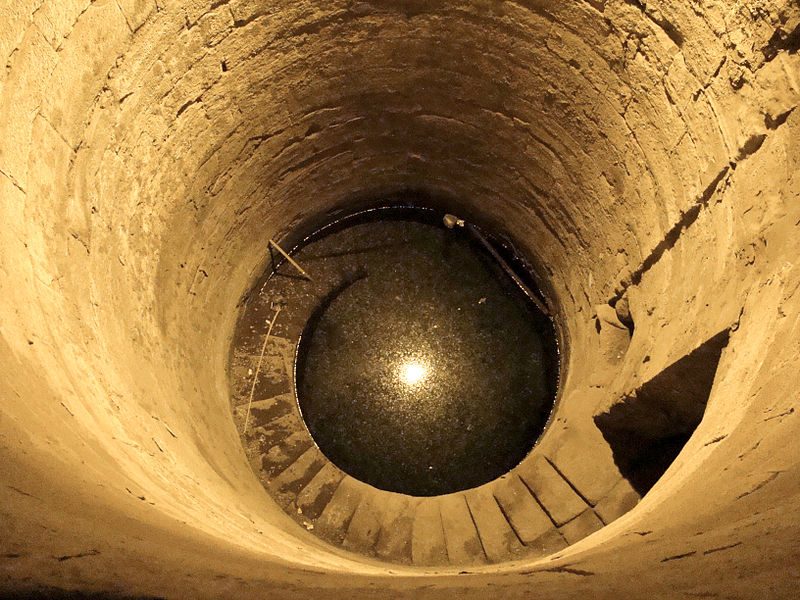
This circular stone-lined well was used by ancient priests to measure the level of the Nile and predict harvests.
Look down into the well to see the original water markings.
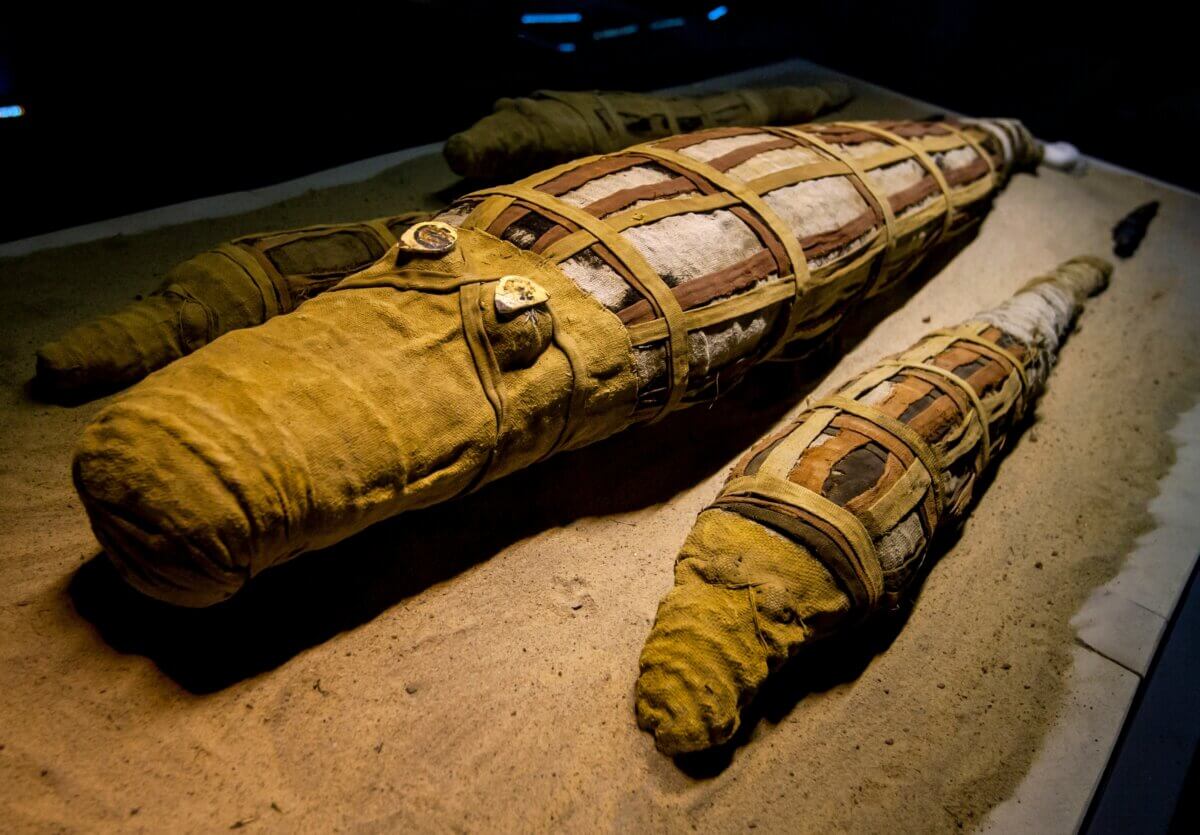
This modern facility near the Kom Ombo temple houses mummified crocodiles and votive offerings.
Visit immediately after the main temple to see the artifacts.
Everything you need to know about luxor to aswan taxi
Using a luxor to aswan taxi offers the most flexibility for travelers wanting to explore the Nile Valley monuments at their own pace. This private transport method allows you to integrate visits to the Temple of Horus and the dual-deity temple at Kom Ombo directly into your transit day. Private drivers are often willing to wait while you explore these historic sites. You should expect the drive to take approximately four to five hours depending on your chosen stops and traffic conditions. This road trip route follows the river south, offering a direct path through Upper Egypt. Many travelers arrange their luxor to aswan taxi to include guided temple visits, ensuring the driver remains on-site during the tour. This setup simplifies logistics compared to public buses or rigid cruise ship schedules. The entrance fee for the Temple of Edfu is 550 EGP per person as a conservation fee. This cost is separate from any transport arrangements you make with a driver. To avoid peak cruise ship crowds and the intense afternoon heat, the best arrival window is between 07:00 and 09:00. Arriving early ensures a more comfortable experience among the pylons and colonnades. The site is open daily, with operating hours starting as early as 06:00 on Wednesdays and Sundays, and 07:00 on other days, closing daily at 17:00. Always check the official Ministry of Tourism and Antiquities website for the most current updates. Yes, a private vehicle is generally comfortable for families, providing climate control and the ability to set a personalized pace. It is advisable to bring water, snacks, and sun protection for the children, as shade can be limited inside the archaeological areas. The most common mistake is attempting to rush both temple visits in a single day without accounting for the midday heat. Travelers often benefit from starting their journey early to fully appreciate the sandstone reliefs and historic architecture before the sun reaches its peak.
One Day Tours from Luxor to Aswan
Read more Tickets & toursNile River Boat Tours: Luxor to Aswan
Read more Tickets & toursMulti-Day Luxor to Aswan Tour Packages
Read more GuideLuxor to Aswan Road Trip Guide
Read more Tickets & toursPrivate Transfers from Luxor to Aswan
Read more Tickets & toursPrivate Day Tours from Luxor to Aswan
Read more