7 hr
Edfu & Kom Ombo Temples with One-Way Luxor Transfer
Private tour to two stunning Nile-side temples with expert guide and direct transfer to Luxor
Reserve
Hand-picked by our editors — only the best 5 experiences from 140 reviewed.
Verified partners for every tour, free cancellation where available, and instant confirmation on every booking.
7 hr
Private tour to two stunning Nile-side temples with expert guide and direct transfer to Luxor
Reserve
10 hr
Journey south along the Nile visiting ancient temples at Edfu and Kom Ombo before reaching Aswan's iconic sites
Reserve
8 hr
Discover two of Egypt's most fascinating temples on a private full-day journey along the Nile
ReservePrices from verified partners. Availability updates in real time at checkout. Free cancellation policies apply where shown.
The landmarks, rooms, and views travelers on this tour remember — all visible on a single visit.
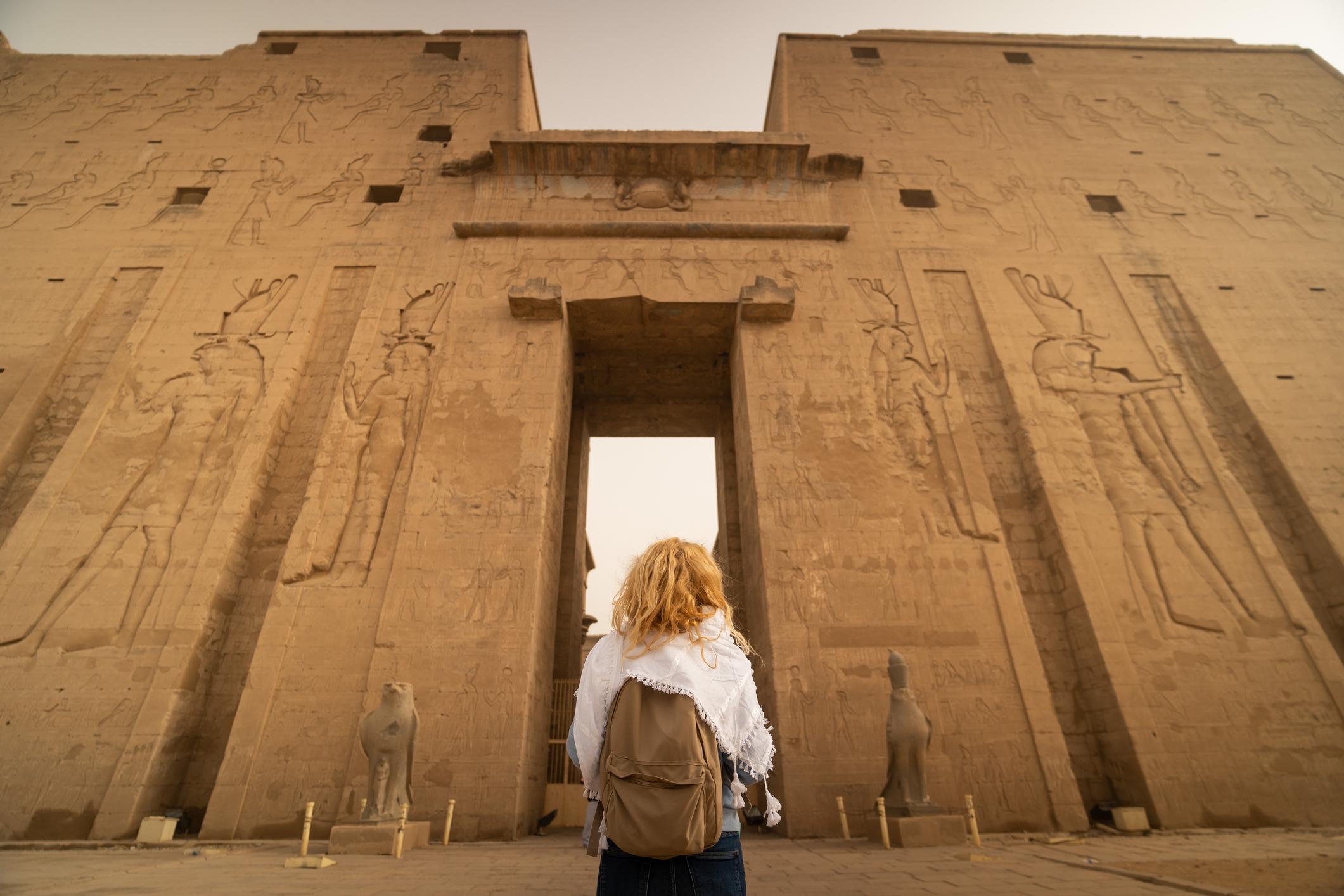
This site is the most well-preserved cult temple in Egypt. It features a massive pylon that stands 36 meters high.
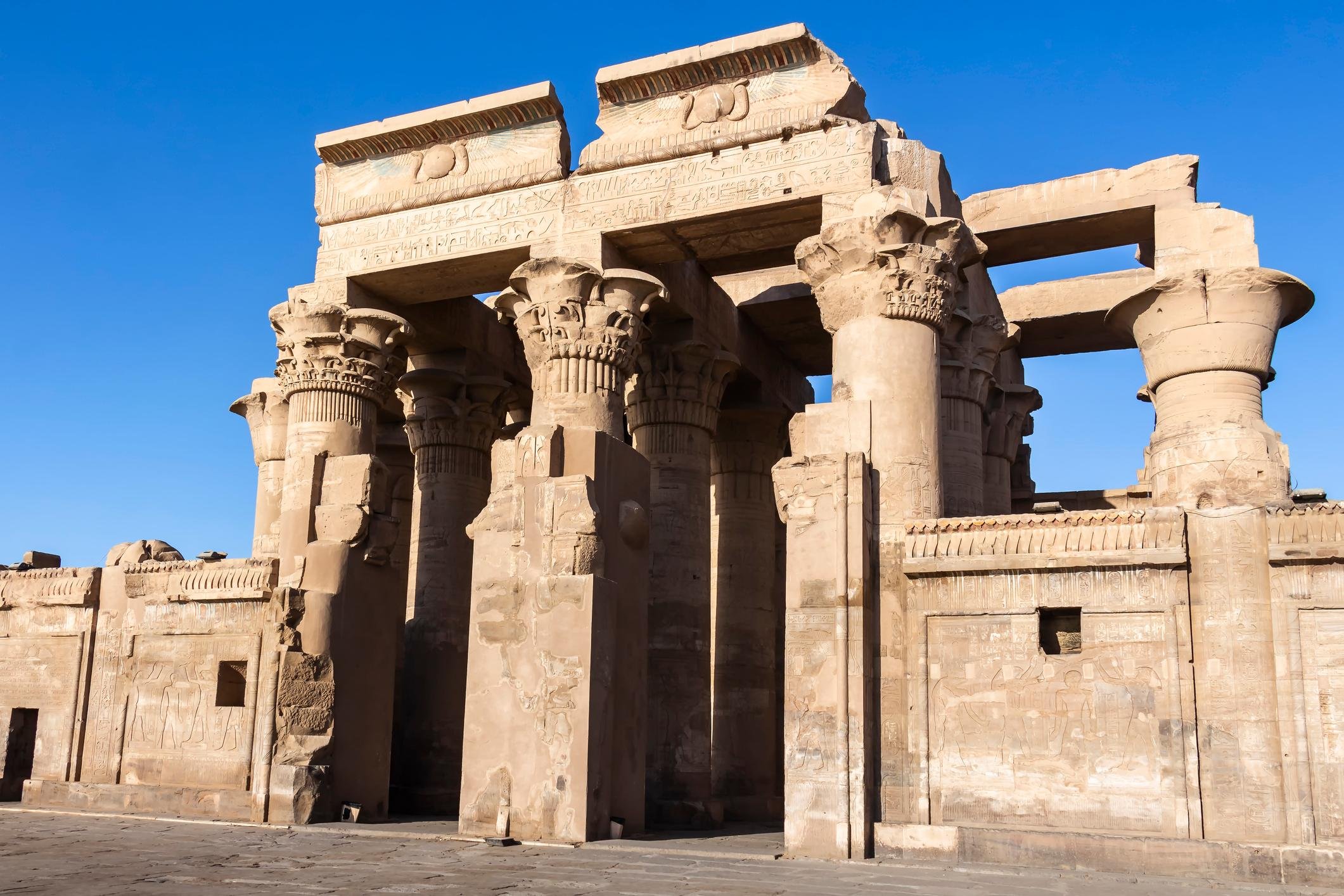
This unique structure is a double temple built for two sets of gods. It has a symmetrical design split between Sobek and Haroeris.
An ancient well used to measure the levels of the Nile during the annual floods. It remains a fascinating feat of engineering.
Also known as the Birth House, it is located within the Temple of Horus complex. It depicts the divine birth of the god Harsomtus.
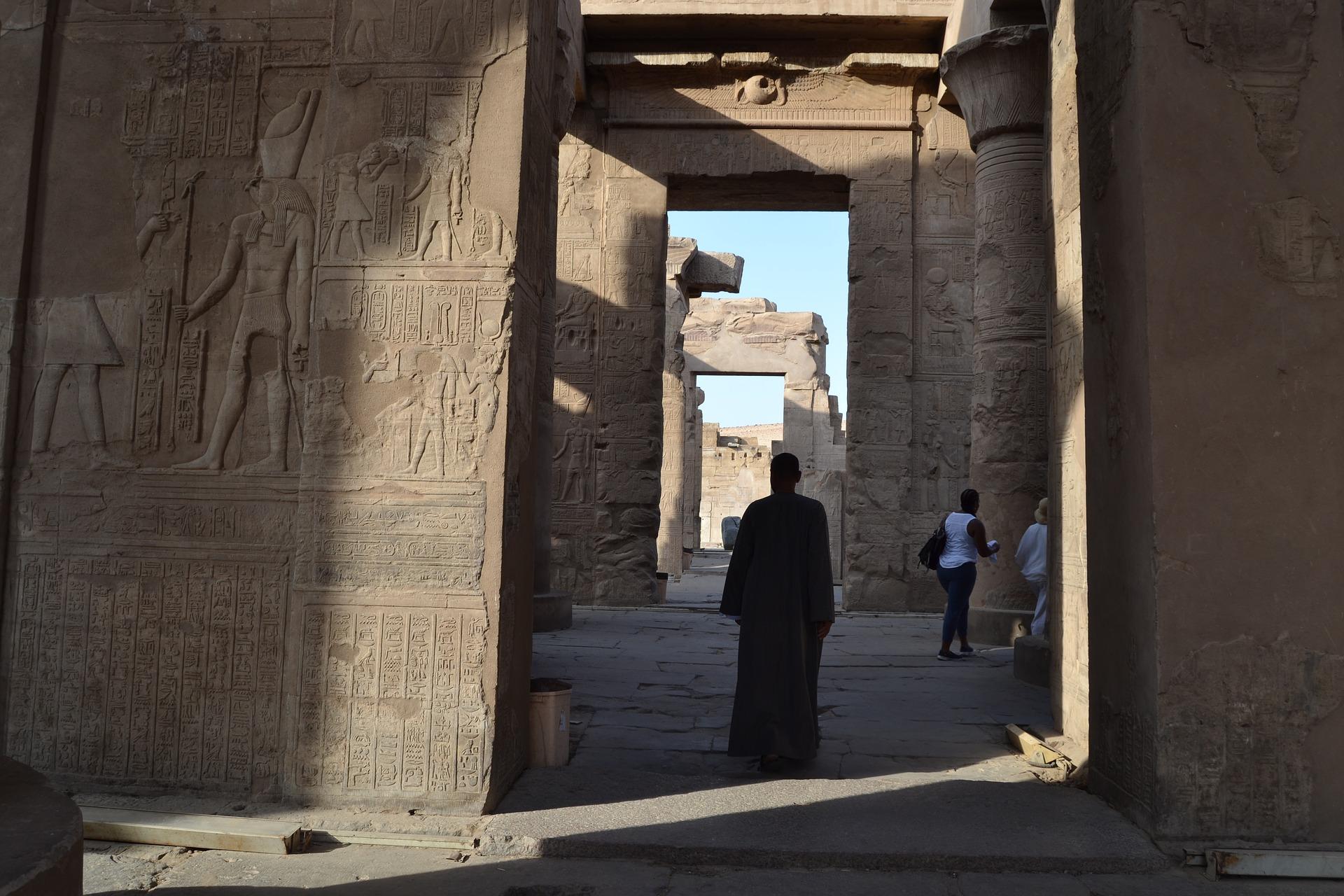
This area at Kom Ombo contains massive columns featuring intricate hieroglyphics and astronomical ceiling carvings.
The private car journey offers superior speed and control, while the Nile River Cruise provides a more relaxed, multi-day exploration of riverside heritage. They complement each other; most visitors who do both call the luxury cruise the more immersive experience.
| Feature | Top pick Private Transfer | Nile River Cruise |
|---|---|---|
Travel Speed |
Approximately 4–6 hours | 3–5 days |
Flexibility |
High, depart on demand | Low, fixed sailing schedules |
Depth of Temple Exploration |
Focused at specific sites | Varies, integrated into cruise stops |
Cost |
Lower (per vehicle) | Higher (per person, all-inclusive) |
Accommodation |
Not included | Included on board |
Route Coverage |
Direct Luxor to Aswan | Full Nile transit with stops |
| See tickets → |
Verdict: Select the luxor to aswan private transfer tours if you prioritize an efficient transit, or choose a cruise if you prefer booking luxor to aswan private transfer tickets as part of a comprehensive, slow-paced holiday experience.
Choose your ticket, select your date, and reserve in under two minutes. Secure checkout handled by our verified partner.
Instant confirmation by email, with a mobile voucher you can save offline. No printing, no queuing at a collection desk.
Arrive at the entrance, show your voucher on your phone, and walk in. Most tickets include priority or skip-the-line access.
Practical details for your visit straight from our verified partners — hours, access, rules, and how to get there.
Designated pickup point
Provided upon booking confirmation
Private air-conditioned vehicle is the most reliable mode for this corridor.
Modest clothing covering shoulders and knees is required when visiting these historical sites. Lightweight, breathable fabrics are recommended for a luxor to aswan private transfer in the Egyptian summer.
Small bags are permitted, but expect security checkpoints at the entrance of each temple. Large luggage should remain inside your vehicle during your luxor to aswan private transfer.
Handheld photography is allowed for personal use in most areas. Professional equipment like tripods requires special permits, which are not included in a standard luxor to aswan private transfer.
The paths around the Temples of Edfu and Kom Ombo are primarily sand and uneven stone. Private transfer services can assist with drop-off closer to the entry gates.
Mobile phones are permitted for photos and navigation. Ensure your device is charged before starting your journey between Luxor and Aswan.
The sites are open to all ages, though young children may find the desert heat challenging. A luxor to aswan private transfer allows for flexible pacing for families.
There are local cafes near the temple entrances selling bottled water and snacks. It is advised to keep hydration constant throughout your luxor to aswan private transfer.
Pets are strictly prohibited inside the temple complexes. Only service animals with proper documentation may be allowed.
Ensure you carry sufficient local currency in cash for entrance fees as credit card acceptance is not guaranteed at the ticket window. A luxor to aswan private transfer provides the best logistical support for these remote locations.
Best time to go, insider tips, nearby landmarks, and the cancellation fine print — flip through to skim what matters to you.
How crowds, weather, and events shift across the year.
Expect high temperatures often exceeding 40C, making early morning the only comfortable time to visit. Most tour groups avoid the intense midday sun.
Small details that turn a good visit into a great one.
Start your luxor to aswan private transfer between 07:00 and 09:00 to avoid cruise crowds.
Non-bookable sights within a short walk — free to visit, easy to pair.
Massive pylon dedicated to the falcon god Horus.
Flexible, no hidden fees.
Full refunds are available for any luxor to aswan private transfer cancellation made 24 hours prior to the scheduled start time. Note that the conservation fee of 550 EGP for Edfu and 450 EGP for Kom Ombo is non-refundable once processed.
Hand-picked options within walking distance — pick a district for vibe, or a specific hotel for convenience.
Local lodging near the river.
The Temple of Horus at Edfu sat buried beneath village houses and drift sand until the 1860s, which is precisely why its roof, its inner chambers and its painted ceilings survived nearly intact. Auguste Mariette's clearance revealed the most complete pharaonic temple standing anywhere in Egypt. Construction began in 237 BC under Ptolemy III and continued for 180 years, ending in 57 BC. Generations of Ptolemaic rulers added pylons, colonnades and reliefs. The result is a single coherent building rather than a palimpsest, which is unusual in Egypt. Its 36-metre pylon still bears carved scenes of a king smiting enemies before Horus. Inside, the granite naos of Nectanebo II predates the surrounding walls by three centuries. A black granite falcon guards the courtyard. The temple's walls carry the Myth of Horus and the Festival of the Beautiful Meeting, texts that record ritual practice in detail found almost nowhere else. Forty-five kilometres downriver toward Aswan stands Kom Ombo, and it obeys a different logic entirely. The temple is doubled. A mirrored axis serves Sobek, the crocodile deity, on the southern half, and Haroeris, Horus the Elder, on the northern. Twin sanctuaries, twin hypostyle halls, twin entrances. Nothing else in Egypt is built this way. A relief on the rear wall depicts surgical instruments — forceps, scalpels, suction cups — one of the earliest medical illustrations known. The adjacent Crocodile Museum holds around 300 mummified crocodiles recovered from nearby cemeteries. The river has taken part of the temple; the Nile eroded its western edge and the flood of 1818 cleared much of the rest. Anyone travelling the luxor to aswan private transfer route passes both sites on the east bank road, in the order the ancient river traffic would have taken them. Both temples belong to the Ptolemaic and Roman phase of Egyptian religion, a period often dismissed as late and derivative. That reading is wrong. These are the buildings where Egyptian ritual was written down most fully, by priests who feared the tradition was slipping. Their sandstone survives in dry Upper Egyptian air far better than Delta limestone. Kom Ombo's columns still hold blue and ochre pigment above head height. Edfu's hypostyle hall remains roofed and dark at midday. Most visitors reach them by Nile cruise ship, arriving mid-morning in blocks of two hundred. A luxor to aswan private transfer tour reverses that rhythm, arriving by road ahead of the fleet, when the courtyards are empty and the reliefs still hold their morning shadow.
"Edfu survived because it was buried; Kom Ombo survived despite the river taking part of it back."
A step-by-step walkthrough of the visit — what you'll see, how long each stage takes, and the details that matter.
You leave Luxor before first light, and the east bank road runs flat and empty past sugarcane and irrigation canals. Roughly two hours later Edfu's pylon rises out of the town. You arrive inside the 07:00–09:00 window, pay the 550 EGP conservation fee, and walk through the gate while the courtyard is still in shade. The black granite falcon of Horus stands on your right. You pass into the hypostyle hall and the temperature drops. Overhead the ceiling is blackened by centuries of cooking fires from the village that once stood on the roof. You spend around 90 minutes here, then continue north-east to Kom Ombo, a shorter leg of roughly an hour. Entry here is 450 EGP. This temple opens directly onto the Nile, and you climb a short rise from the car park to find yourself on the riverbank terrace. Walk the double axis deliberately: enter left for Haroeris, right for Sobek, and note that every architectural element repeats. You pause at the rear wall for the surgical relief, then cross to the Crocodile Museum. By the time the cruise-ship groups appear on the terrace, you are already back in the vehicle, air-conditioning on, heading for Aswan.
The sites are generally open from 07:00 to 17:00, with slight variations by day.
Official tickets can often be managed through the site at https://egymonuments.com.
The best arrival window is 07:00–09:00 to avoid cruise tour groups.
Yes, modest clothing is required for all visitors at the temples.
Entrance fees of 550 EGP for Edfu and 450 EGP for Kom Ombo are usually separate from the transfer price.
A full day including travel and sightseeing is common.
Small personal bags are allowed, but heavy luggage should stay in your transport.
Public restrooms are available at the entrances of both temple sites.
Photography for personal use is allowed at the Temples of Edfu and Kom Ombo.