10 hr
Luxor to Aswan Private Day Tour with Edfu & Kom Ombo Temples
Journey through ancient Egypt on a private full-day expedition from Luxor to Aswan with temple visits.
Reserve
Hand-picked by our editors — only the best 5 experiences from 140 reviewed.
Verified partners for every tour, free cancellation where available, and instant confirmation on every booking.
10 hr
Journey through ancient Egypt on a private full-day expedition from Luxor to Aswan with temple visits.
Reserve
7 hr
Visit two stunning Ptolemaic temples along the Nile with expert guidance and one-way transfer to Luxor
Reserve
96 hr
Sail the Nile aboard a five-star vessel, visiting legendary temples and tombs with an expert guide.
ReservePrices from verified partners. Availability updates in real time at checkout. Free cancellation policies apply where shown.
The landmarks, rooms, and views travelers on this tour remember — all visible on a single visit.
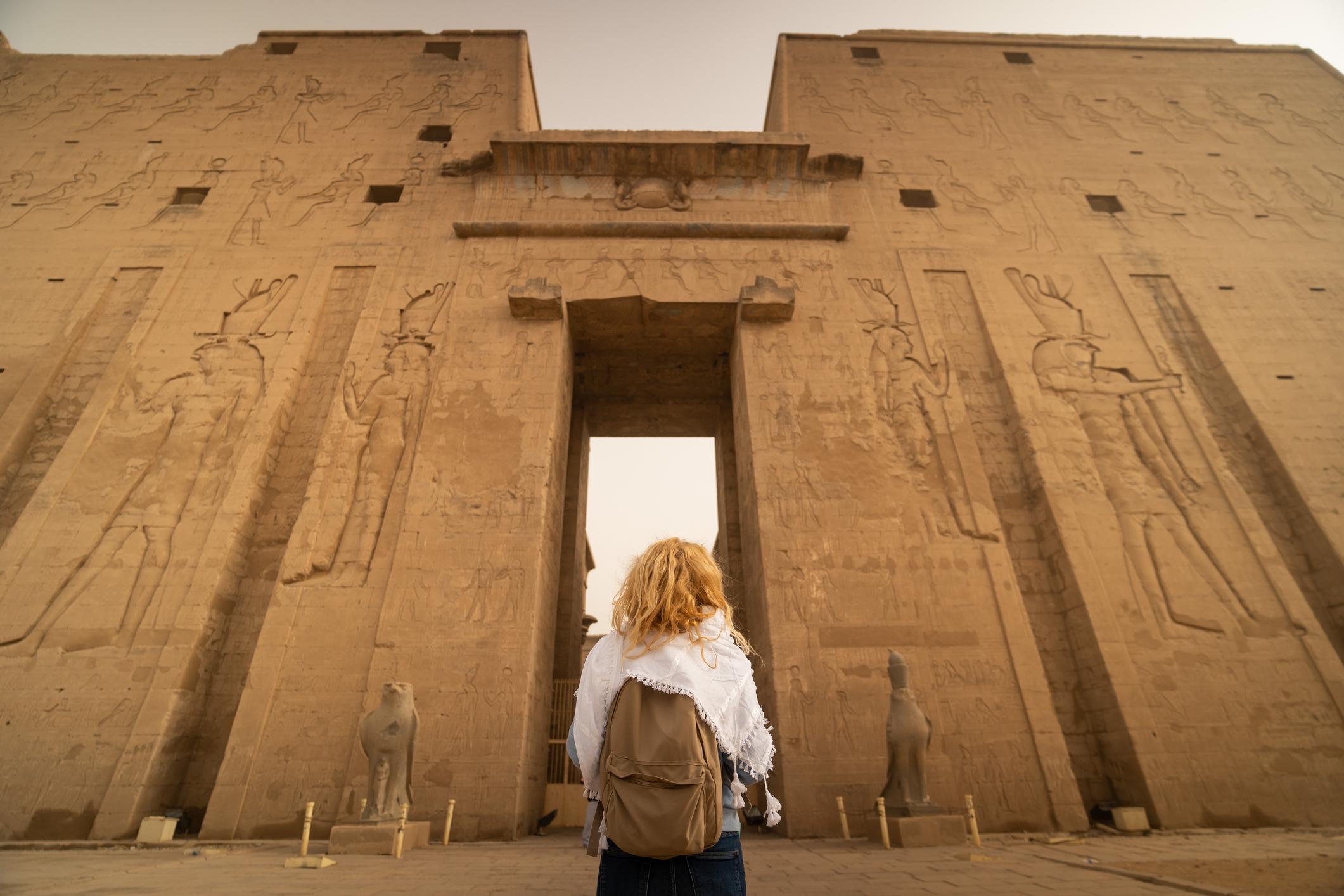
This structure is one of the best-preserved ancient monuments in Egypt, having been buried under sand for centuries. The temple was built over 180 years during the Ptolemaic period.
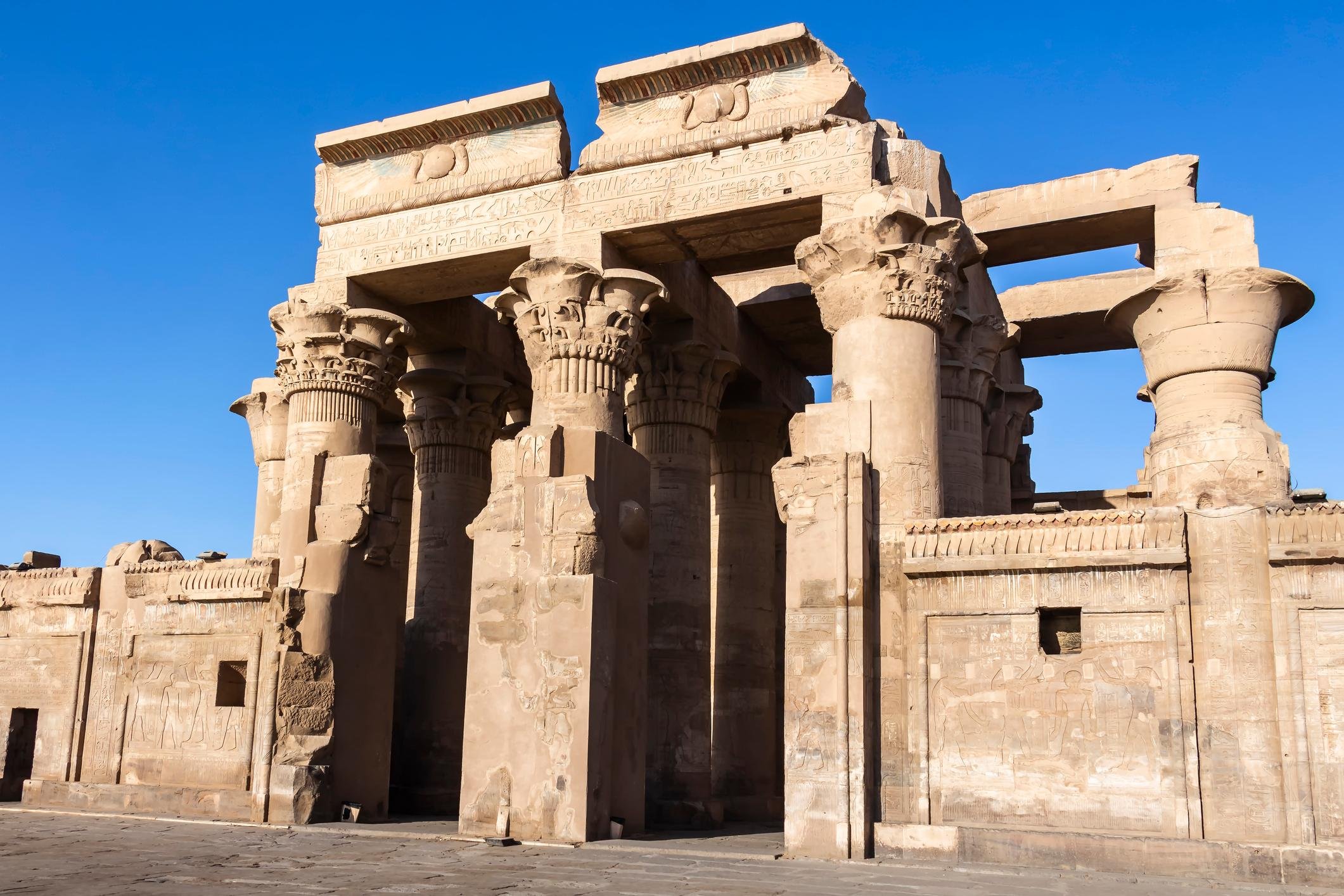
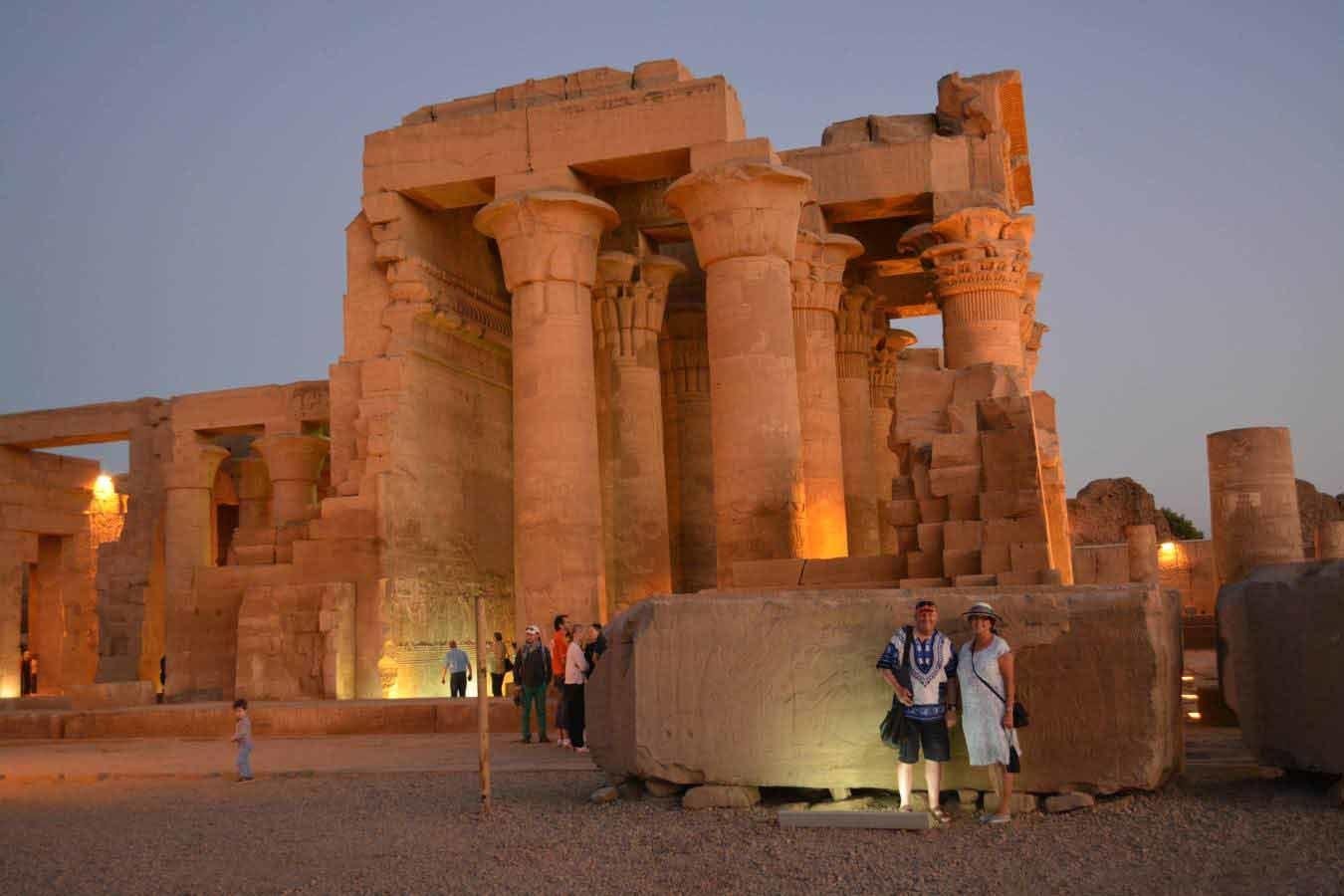
This unique landmark features a symmetrical design dedicated to two gods, Sobek and Horus. It remains a fascinating example of Egyptian sacred architecture.
This ancient device was used to measure the water levels of the Nile river for taxation purposes. It is located within the Kom Ombo temple complex.
This small sanctuary within the Temple of Edfu was dedicated to the divine birth of Horus. The intricate relief carvings here remain remarkably clear.
The inner sanctuary of the temple is the most sacred part of the building. It housed the golden statue of the god, which was kept in a granite shrine.
They complement each other; most visitors who do both call the multi-day cruise the more immersive way to see the river, while the private land-based luxor to aswan boat tour tours are more efficient for tight schedules.
| Feature | Top pick Private Land Tour | Nile River Cruise |
|---|---|---|
Pace |
Rapid and target-focused | Leisurely and relaxed |
Flexibility |
High customizability | Fixed itinerary |
Cost |
From 3,500 EGP (summer) | From 12,000 EGP (summer) |
Accommodation |
None included | Included on ship |
Travel Time |
4–6 hours | 3–4 days |
Depth of Exploration |
Site-specific focus | Comprehensive regional coverage |
| See tickets → |
Verdict: Choose the private luxor to aswan boat tour tickets if you prioritize control over your schedule, or opt for a cruise if you prefer the convenience of an all-inclusive Nile river navigation.
Choose your ticket, select your date, and reserve in under two minutes. Secure checkout handled by our verified partner.
Instant confirmation by email, with a mobile voucher you can save offline. No printing, no queuing at a collection desk.
Arrive at the entrance, show your voucher on your phone, and walk in. Most tickets include priority or skip-the-line access.
Practical details for your visit straight from our verified partners — hours, access, rules, and how to get there.
Edfu Port
Confirm with your guide upon arrival
Most visitors arrive via a luxor to aswan boat tour cruise.
Hire a local taxi from the riverbank to the temple site.
Modest clothing covering shoulders and knees is expected at the Temple of Edfu and Kom Ombo. Lightweight, breathable fabrics are recommended for your luxor to aswan boat tour.
Small daypacks are generally permitted during your Nile excursions. Be prepared for manual security checks at the entrance gates of each temple site.
Personal photography is permitted without a flash inside most areas of the Temples of Edfu and Kom Ombo. Professional equipment may require an additional permit during your luxor to aswan boat tour.
Navigating the ancient ruins of the Temple of Horus presents challenges for those with mobility issues. The terrain consists of sandy, uneven stone surfaces that are not fully wheelchair accessible.
Mobile phones are permitted for photos and personal use. Ensure your device is fully charged before departing on your boat expedition.
The Temples of Edfu and Kom Ombo are educational for older children interested in history. Parents should ensure children remain on marked paths throughout the luxor to aswan boat tour.
Carry sufficient bottled water as refreshments are limited inside the temple complexes. Drinking fountains are not available at these historical sites.
Pets are strictly prohibited at these archaeological sites. Please make arrangements to leave animals on your vessel.
Ensure you confirm your pick-up time with your boat operator. Most Nile cruises include the entrance fees for these temples in their total package price.
Best time to go, insider tips, nearby landmarks, and the cancellation fine print — flip through to skim what matters to you.
How crowds, weather, and events shift across the year.
Expect high temperatures often exceeding 40°C during the midday hours.
Ideal temperatures for exploring the temples between November and February.
Pleasant weather with potential for sandstorms in late March.
Cooler mornings allow for comfortable exploration of the monuments.
Small details that turn a good visit into a great one.
Aim for the 07:00–09:00 arrival window to experience the site before large tour buses arrive.
The heat in Upper Egypt is intense; consume water frequently throughout your visit.
Even in the morning, the sun can be harsh; wear a hat and sunglasses.
Hiring a local guide provides context to the hieroglyphs found at the Temple of Horus.
Non-bookable sights within a short walk — free to visit, easy to pair.
A unique double temple dedicated to Sobek and Horus.
Local bazaar offering traditional crafts and spices.
Flexible, no hidden fees.
Cancellations made within 24 hours of the luxor to aswan boat tour departure are non-refundable. The 550 EGP conservation fee per adult visitor is strictly non-reimbursable.
Hand-picked options within walking distance — pick a district for vibe, or a specific hotel for convenience.
High-end resort situated on Elephantine Island.
Standard accommodation options near the temple site.
The Temple of Horus at Edfu was buried under fifteen metres of silt and village housing until Auguste Mariette's crews cleared it in the 1860s. That burial preserved it. Where Karnak lost its roofs and colour, Edfu kept both, and today it stands as the most complete pharaonic temple in Egypt. Construction began in 237 BCE under Ptolemy III Euergetes and finished in 57 BCE, spanning six reigns and one hundred and eighty years. The Ptolemies were Macedonian Greeks ruling Egypt, and they built in older Egyptian idiom deliberately — a claim of legitimacy carved in sandstone. Two black granite falcons flank the entrance. The pylon rises 36 metres. Inside, the hypostyle hall holds twelve columns with composite capitals, and the walls carry the Myth of Horus, a text describing the god's victory over Seth, still legible after two millennia. The Edfu texts remain among the richest sources scholars have for temple ritual, festival calendars, and the priestly economy of Ptolemaic Egypt. Sixty kilometres upstream sits Kom Ombo, and it is architecturally unlike anything else on the river. The temple is doubled along its central axis: one half dedicated to Sobek, the crocodile god, the other to Haroeris, Horus the Elder. Twin sanctuaries, twin hypostyle halls, twin gateways. The Crocodile Museum beside it holds mummified crocodiles recovered from the nearby necropolis. A relief on the outer corridor depicts surgical instruments — forceps, scalpels, suction cups — one of the earliest such catalogues known. Both temples sit directly on the Nile bank, which is why the luxor to aswan boat tour became the standard way to see them. River access was never incidental. Edfu and Kom Ombo were built where boats could reach them, and Ptolemaic processional barques moored at stone quays that still survive. The 165-kilometre stretch between Luxor and Aswan passes the Esna lock, sugarcane fields, and villages that have farmed the same floodplain since the Middle Kingdom. Vessels working this route range from motor cruisers to the dahabiya, a shallow-draft sailing boat revived from nineteenth-century Nile travel. The temples reopen the same way each morning, 07:00–17:00 on most days, and a luxor to aswan boat tour tour times its arrivals to that rhythm rather than the other way round.
"Fifteen metres of silt buried the Temple of Horus, and fifteen metres of silt is why its roof, its colour, and its texts survive."
A step-by-step walkthrough of the visit — what you'll see, how long each stage takes, and the details that matter.
You board at Luxor and wake to the Esna lock, where the boat drops several metres between wet stone walls while vendors toss galabeyas up onto the deck. Breakfast is served as the fields slide past. At Edfu you step onto the quay and take a calèche the two kilometres to the temple. The conservation fee is 550 EGP per adult. Arrive between 07:00 and 09:00 and you get the pylon in flat morning light with the sandstone still cool. You walk between the two granite falcons, cross the forecourt, then move into the hypostyle hall where twelve columns hold the ceiling. You find the Myth of Horus panels on the inner corridor wall. You climb the stairwell the priests used to carry the god's image to the roof at New Year. Back aboard, you sail through the afternoon. Kom Ombo appears in the late light, floodlit and sitting almost on the water. You walk the doubled axis — Sobek on the right, Haroeris on the left — then find the surgical-instrument relief on the outer wall. The Crocodile Museum takes fifteen minutes. Your luxor to aswan boat tour continues upstream after dinner, and you sleep with the engine running toward Aswan.
The Temple of Horus is open daily from 07:00 to 17:00, with varying morning hours on Wednesdays and Sundays. The conservation fee is 550 EGP per adult visitor for entry.
The entrance fee is 550 EGP per adult visitor at the Temple of Horus.
Yes, visitors should dress modestly, covering shoulders and knees, especially when taking a luxor to aswan boat tour.
Yes, personal cameras are allowed at the Temple of Edfu and Kom Ombo for non-commercial photography.
The best arrival window is 07:00–09:00 to avoid midday heat and cruise crowds.
Accessibility is limited due to the historical, uneven terrain of the Temples of Edfu and Kom Ombo.
No, food is not sold inside the sites, so bring water and snacks during your luxor to aswan boat tour.
Most visitors reach the temples via their scheduled luxor to aswan boat tour cruise vessel.
Yes, you can visit independently, but most travellers prefer the convenience of a luxor to aswan boat tour.
Cancellations within 24 hours of your luxor to aswan boat tour departure are usually non-refundable.