7 hr
Edfu & Kom Ombo Temples with Luxor Transfer
Discover two ancient Egyptian temple wonders on a private guided tour with seamless one-way transfer
Reserve
Falcon god at sunrise, crocodile god by afternoon light.
Hand-picked by our editors — only the best 5 experiences from 140 reviewed.
Verified partners for every tour, free cancellation where available, and instant confirmation on every booking.
7 hr
Discover two ancient Egyptian temple wonders on a private guided tour with seamless one-way transfer
Reserve
10 hr
Journey from Luxor to Aswan with stops at Edfu's magnificent Horus Temple, Kom Ombo's dual-god sanctuary, and Aswan's iconic monuments.
Reserve
12 hr
Journey through Egypt's most magnificent temples with expert guidance and all entry fees covered
ReservePrices from verified partners. Availability updates in real time at checkout. Free cancellation policies apply where shown.
The landmarks, rooms, and views travelers on this tour remember — all visible on a single visit.
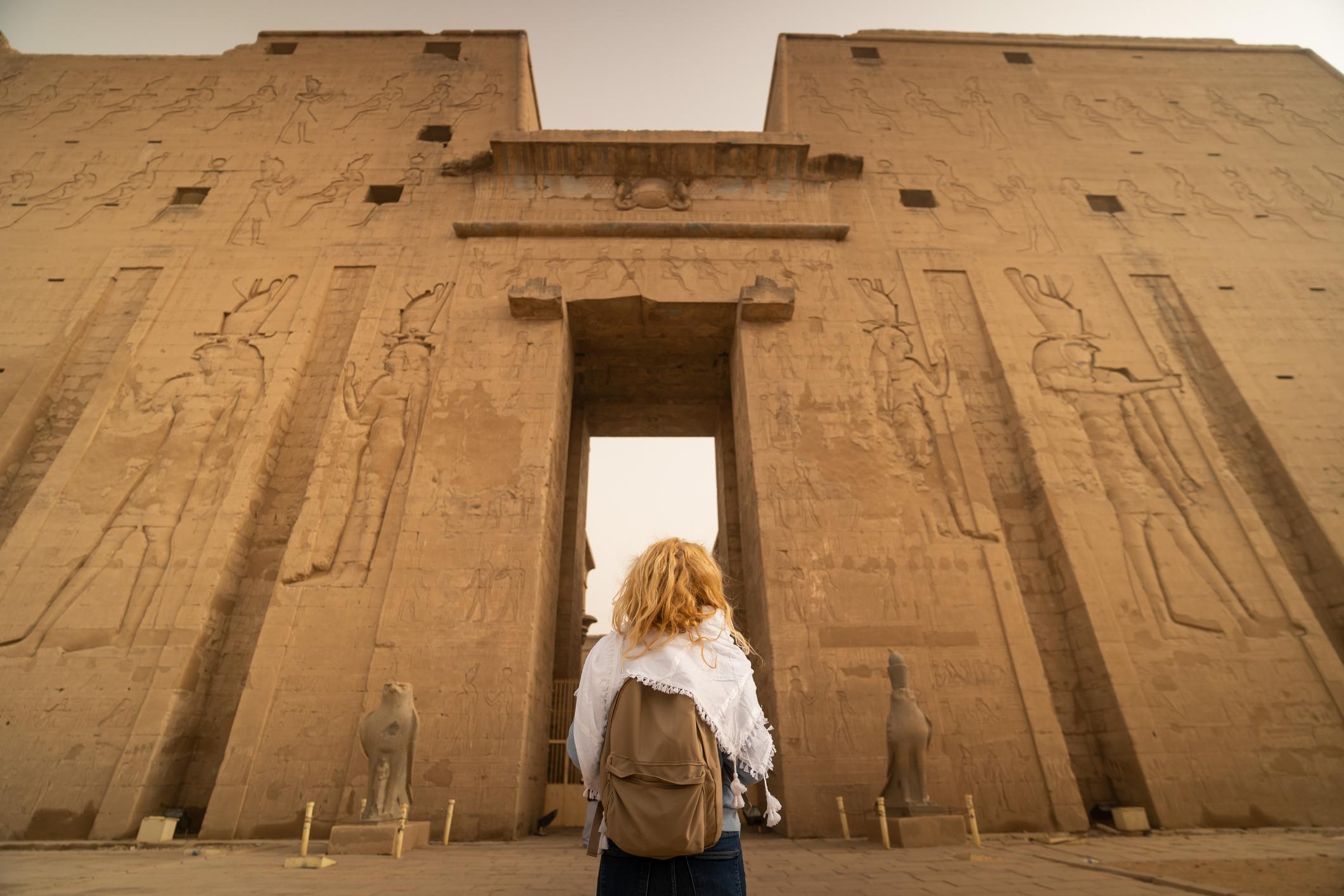
This site is the best-preserved cult temple in Egypt. It features a massive pylon that stands 36 meters high.
An ancient well used to measure the Nile level. It provided priests with the data needed to predict annual harvests.
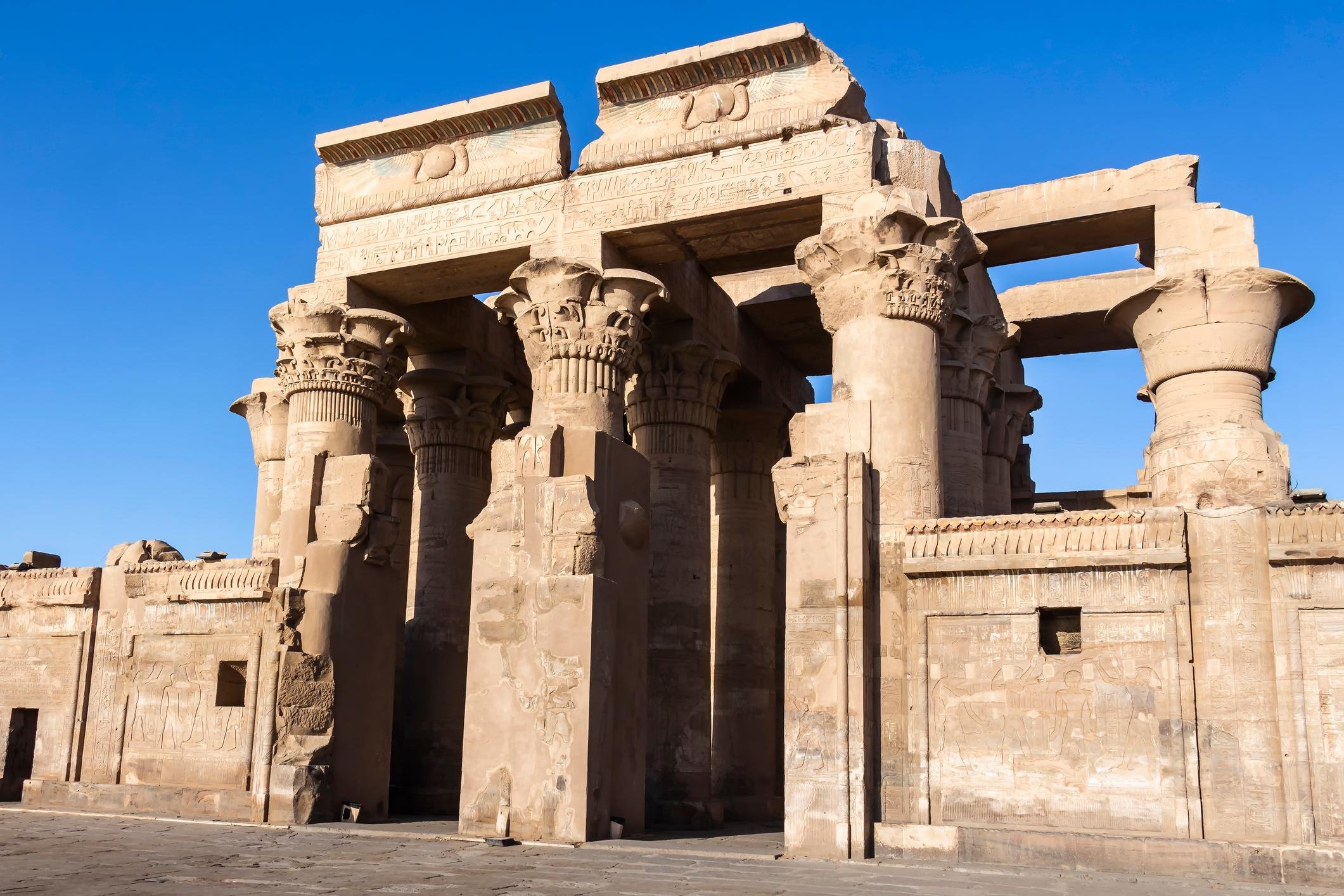
This hall contains rows of massive columns with intricate floral capitals. It serves as a prime example of Ptolemaic architecture.
Located in front of the main temple, this structure was dedicated to the divine birth of Horus. It features beautiful decorative reliefs.
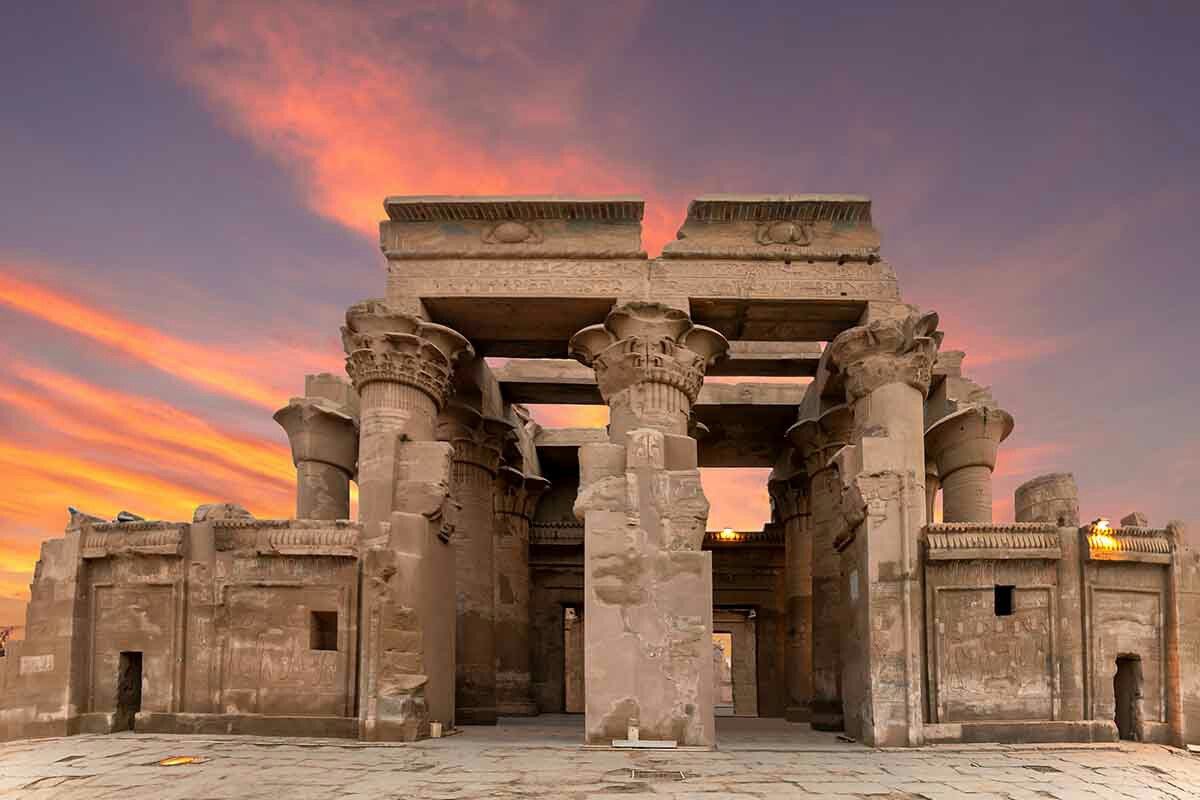
Unique to Kom Ombo, this area is dedicated to both Sobek and Haroeris. It maintains a symmetrical layout split down the center.
These carvings depict ancient surgical instruments. They are evidence of the sophisticated knowledge held by temple doctors.
Guided excursions offer historical depth and seamless coordination, whereas independent transit provides total personal autonomy for your journey. A professional luxor to aswan day tour provides structure, while self-arranged travel caters to those preferring a slower pace through these historic landmarks.
| Feature | Top pick Guided Tour | Independent Transit |
|---|---|---|
Expert Commentary |
On-site Egyptologist included | None provided |
Temple Access |
Prioritized group entry | Standard queue entry |
Flexibility |
Fixed itinerary structure | Fully customizable stops |
Time Management |
Optimized for site hours | Self-directed pacing |
Logistics Ease |
Door-to-door coordination | Requires individual arrangements |
All-Inclusive Cost |
Single payment covers all | Multiple separate payments |
| See tickets → |
Verdict: If you prioritize historical context and convenience, secure your luxor to aswan day tour tickets in advance; if you prefer solitary exploration, independent transit is superior.
Choose your ticket, select your date, and reserve in under two minutes. Secure checkout handled by our verified partner.
Instant confirmation by email, with a mobile voucher you can save offline. No printing, no queuing at a collection desk.
Arrive at the entrance, show your voucher on your phone, and walk in. Most tickets include priority or skip-the-line access.
Best time to go, insider tips, nearby landmarks, and the cancellation fine print — flip through to skim what matters to you.
How crowds, weather, and events shift across the year.
November to February offers the most temperate weather for walking through the sites.
August is hot with high temperatures requiring early morning start times for your luxor to aswan day tour.
March and October provide a balance of manageable crowds and warmer temperatures.
September and May are ideal for avoiding high-season tourist traffic.
Small details that turn a good visit into a great one.
Start your luxor to aswan day tour as close to 07:00 as possible to finish before peak heat. This arrival window ensures you avoid cruise ship crowds.
Carry at least two liters of water per person during the excursion. High desert temperatures require constant fluid intake.
Wear closed-toe walking shoes to navigate the sand and uneven stone paths safely. Sandals may lead to dust-filled shoes or injury.
Hire a licensed Egyptologist for your luxor to aswan day tour to explain the complex iconography. This adds significant value to the visit.
Focus on the pylon architecture during the morning when shadows create depth. This is a top tip for getting high-quality imagery.
Keep your 550 EGP conservation fee payment documentation accessible. You may need to present it at different checkpoints within the temple sites.
Non-bookable sights within a short walk — free to visit, easy to pair.
The best-preserved cult temple in Egypt dedicated to the falcon god. It features massive pylons and detailed reliefs.
A unique double temple dedicated to Sobek and Haroeris located on the river bank. It is famous for its calendar and medical instrument carvings.
The historic waterway that connects Luxor and Aswan. It serves as the primary navigation route for cruise ships.
A traditional market area reflecting local life near the temple outskirts.
Flexible, no hidden fees.
Full refunds are available for most luxor to aswan day tour bookings if canceled at least 24 hours in advance. Please note that the 550 EGP conservation fee per person is subject to local site regulations.
Hand-picked options within walking distance — pick a district for vibe, or a specific hotel for convenience.
Local guesthouses and hotels located near the temple complex.
High-end properties overlooking the Nile in central Aswan.
Various hotels near the starting point of your luxor to aswan day tour.
Edfu's Temple of Horus stood buried to its cornice in silt and village houses until Auguste Mariette began clearing it in 1860. That burial preserved it. Sand sealed the sanctuary against rain, wind and quarrymen, and the result is the most completely intact temple in Egypt: roof slabs still in place, pylon towers rising 36 metres, hypostyle columns bearing paint that has not seen weather in two thousand years. Construction began in 237 BCE under Ptolemy III and continued for 180 years, finishing in 57 BCE under Ptolemy XII. The Ptolemies were Macedonian Greeks ruling Egypt, and Edfu is their argument for legitimacy — pharaonic in every proportion, dedicated to Horus the falcon, its walls carved with the god's victory over Seth in a drama once performed here annually. The Festival of the Beautiful Meeting brought Hathor's barque upriver from Dendera each year for a fourteen-day marriage rite. A luxor to aswan day tour follows roughly the same water route, 115 kilometres of it, at considerably greater speed. Kom Ombo, 60 kilometres further south, breaks the rule that a temple serves one god. Built from around 180 BCE on a bluff above a Nile bend, it is doubled along its central axis: the southern half for Sobek, the crocodile deity of the marshes, the northern half for Haroeris, Horus the Elder. Twin sanctuaries, twin colonnades, twin gateways, mirrored with a symmetry no other Egyptian temple attempts. The site's Greek-era reliefs include a panel of surgical instruments — forceps, scalpels, bone saws — and a Nilometer shaft cut to gauge the flood on which the harvest, and the tax assessment, depended. What survives at Kom Ombo is partial. The Nile ate the western forecourt, earthquakes took the rest, and the Crocodile Museum opened in 2012 to house some three hundred mummified crocodiles recovered from nearby necropolises. The pairing of the two sites on a single luxor to aswan day tour is not a modern convenience but a geographic logic — both were customs posts and cult centres on the trade corridor toward Nubia, both guarded the river. Sandstone quarried at Gebel el-Silsila built them. Ptolemaic hieroglyphs, among the last carved in Egypt, record their rites. Edfu carries a 550 EGP conservation fee, and its gates open at 07:00 most mornings.
"Sand sealed the sanctuary against rain, wind and quarrymen — and preserved the most complete temple in Egypt."
Accessibility is limited due to the ancient nature of the stone structures and uneven terrain.
Photography is permitted throughout the site, though using professional tripods may require special permission.
Modest attire covering shoulders and knees is recommended for this cultural experience.
There are no dining facilities inside the temples, so plan to bring water and snacks.